Spaciology Field Guide: Accountability Over Accuracy — When Being Right Isn’t Enough

Spaciology Field Guide: Accountability Over Accuracy — When Being Right Isn’t Enough

Accountability Over Accuracy

Lead with repair and impact over being right; accountability widens trust and choices.

Core Connections

  • Atlas Anchors: Shared Space, The Field, Space as Home
  • Charter Expression: Space Holds Trauma and Healing

Why This Matters

When harm happens—and it always does in human systems—our instinct is often to defend our intentions or prove we were “right.” Being technically correct while relationships fracture creates pyrrhic victories.

Accountability Over Accuracy recognizes that repair restores the relational field and expands possibility. It’s not about abandoning truth, but understanding that impact matters more than intent, and that widening the circle of trust creates more options for everyone.

Practice It Today

  • Name what happened without minimizing: “I interrupted you three times in that meeting.”
  • Acknowledge impact before explaining intent: “I see that shut down the conversation.”
  • Co-design repair with those affected: “What would help restore trust here?”
  • Close the loop by following through and checking back in.

You Need This When

  • Defensiveness dominates after mistakes
  • The same debates loop without resolution
  • Trust remains low despite “resolved” conflicts
  • People stop raising concerns

Ethical Cautions

Don’t weaponize apology as a way to escape consequences. Don’t rush others toward forgiveness on your timeline. Accountability is a practice, not a performance. Some harms require sustained repair over time, not single conversations.

Related Practices

(Coming Soon) Active ReceptivityBoundaries as CompassionEthical GroundingDialogue as Method

Stay in Touch

Building Trust in Mission-Driven Spaces

Building Trust in Mission-Driven Spaces

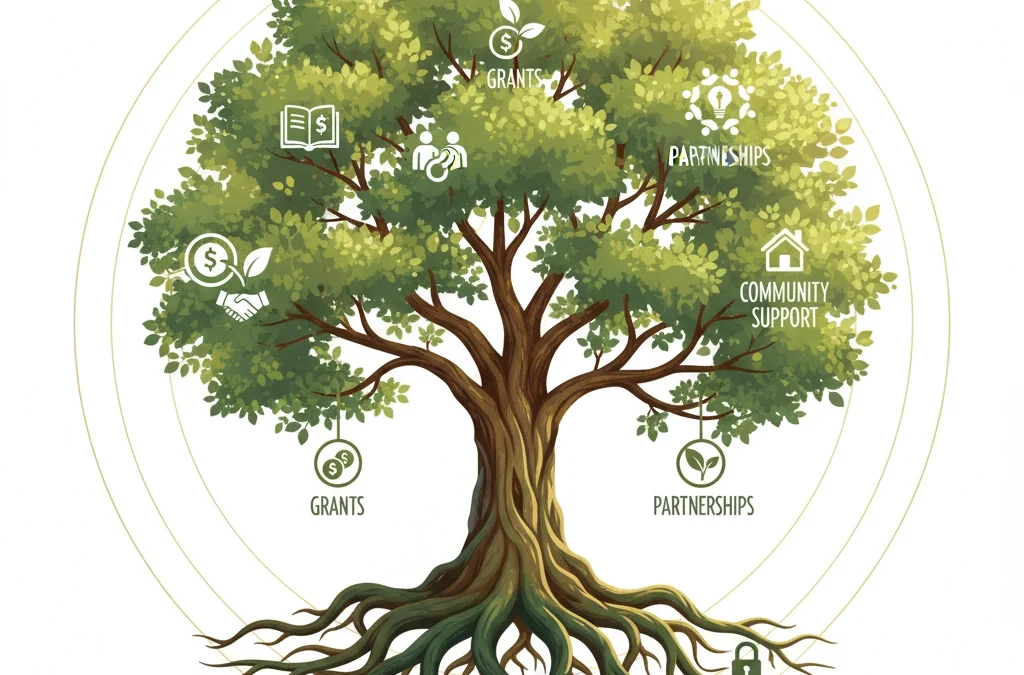
The most successful mission-driven organizations understand a fundamental truth: development is not about extracting resources from donors: it’s about creating the conditions for authentic relationships to flourish. When you shift from extraction to cultivation, you stop chasing transactions and start building trust.


When Development Becomes Extraction

Many nonprofits operate from a scarcity mindset that turns fundraising into a resource extraction model. You’ve seen it: the desperate ask, the guilt-driven appeal, the transactional relationship where donors are viewed primarily as funding sources rather than mission partners.

This extractive approach creates what researchers call “extraction-based economies” where one party benefits at the expense of another. In fundraising terms, this looks like:

  • Treating donor meetings as opportunities to “get” rather than “give”
  • Focusing on immediate financial outcomes over long-term relationships
  • Using emotional manipulation rather than authentic connection
  • Viewing donors as ATMs rather than allies in your mission

Organizations that operate this way often find themselves lost, constantly chasing the next gift without building sustainable support systems.


Making Room for Authentic Relationships

image_1

True development requires holding space for something different: genuine partnership. This means creating room in your approach for donors to express their values, share their concerns, and participate meaningfully in your mission.

Trust-building happens when you prioritize the relationship over the transaction. Community members consistently value communication, credibility, and authentic problem-solving over polished presentations or impressive statistics. They want to know you see them as whole people with their own motivations and vision.

The shift is subtle but profound: instead of asking “What can this person do for our organization?” you ask “How can we create meaningful connection around shared values?”


The Navigation System for Trust-Building

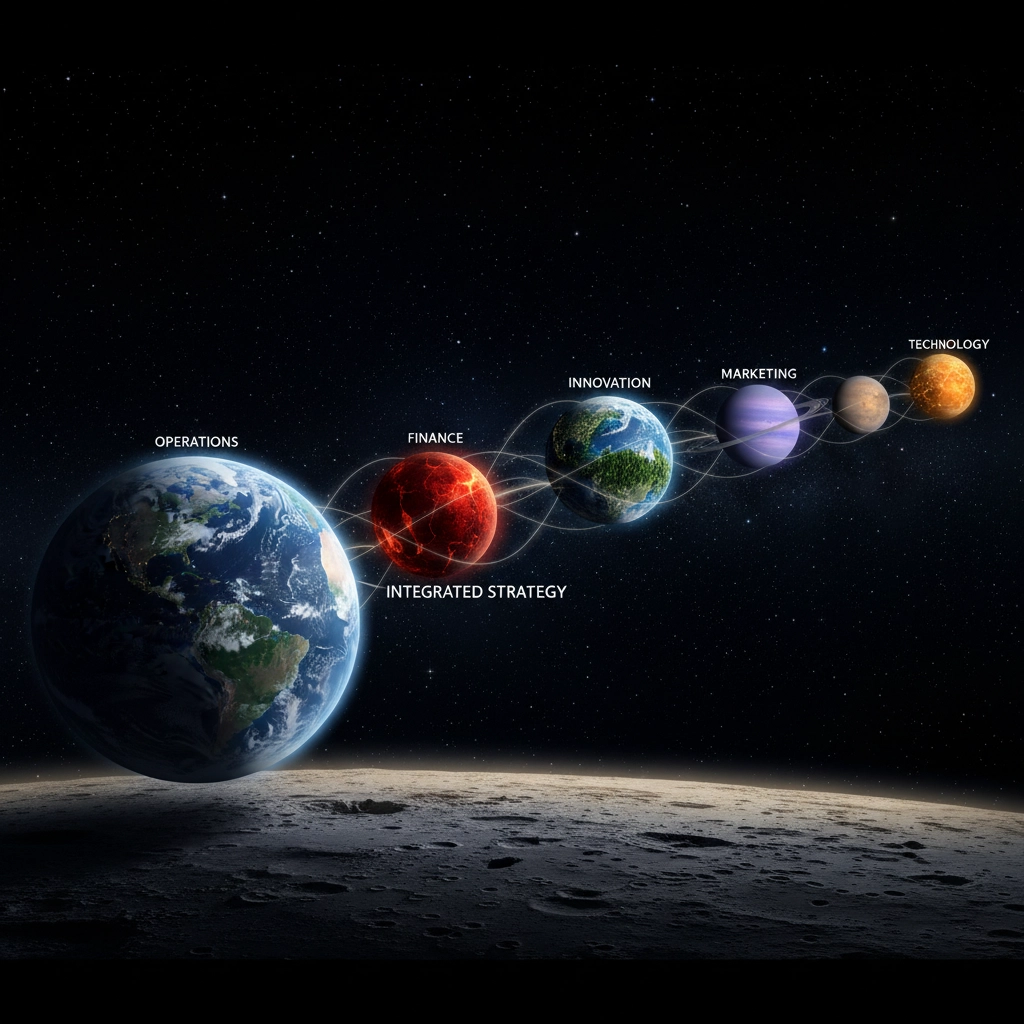
Effective development requires clear navigation: what researchers identify as direction, alignment, and commitment. Most mission-driven leaders possess strong commitment, but ensuring everyone shares the same understanding of direction and alignment requires intentional work.

Direction: Where is your organization going, and how does donor partnership fit into that vision?

Alignment: How will you work together to achieve shared goals?

Commitment: What does authentic, long-term partnership look like?

This framework prevents organizations from drifting into extractive patterns. When you’re clear on these elements, donor conversations become collaborative exploration rather than one-sided pitches.


Creating Space for Generosity

The most generous thing you can do in development work is create space for someone else’s generosity to emerge naturally. This requires:

Genuine Curiosity: What matters most to this person? What frustrates them about current approaches to the issues you address together?

Patient Listening: Resist the urge to immediately connect everything back to your needs. Hold space for their full perspective before exploring connections.

Mutual Value: What can you offer beyond the standard donor experience? How can this relationship benefit them in ways that align with your mission?

Shared Vision: Where do your values and theirs intersect? What future are you building together?

When you approach development this way, you’re not extracting resources: you’re cultivating relationships that strengthen everyone involved.


The Long-Term View

Organizations that prioritize relationship-building over resource extraction report higher donor retention rates, larger average gifts, and stronger community connections. More importantly, they create sustainable funding models that don’t depend on constantly finding new donors to replace those who feel used or ignored.

This approach requires patience. You can’t build authentic relationships on quarterly timelines or annual campaign deadlines. But the organizations that commit to this path find themselves with funding partners, not just funding sources.

The choice is clear: you can continue operating from extraction models that leave everyone depleted, or you can create space for the kind of relationships that fuel lasting social change. The most successful mission-driven organizations choose cultivation over extraction, partnership over pressure, and authentic connection over transactional efficiency.

When you make this shift, you stop getting lost in the mechanics of fundraising and start building the relationships that sustain meaningful work over time.


This post is grounded in the Space as Metaphor framework, which views space as “metaphor for method, moral orientation, and mode of transformation.” The framework helps us understand grant writing relationships not as transactional exchanges, but as sacred spaces requiring careful cultivation and ethical stewardship.


Spaciology’s Information Ecology: Anchoring Meaning in Space

Spaciology’s Information Ecology: Anchoring Meaning in Space

Spaciology’s information ecology is a new, philosophical framework that demonstrates the discipline’s viability and real-world application. It organizes why, what, and how into three connected layers that enable practical change.


  • Charter Anchors (why): ethical foundation
  • Metaphor Atlas (what): conceptual tools
  • Encyclopedia A–Z (how): operational practice

Layer 1: Charter Anchors

The Space as Metaphor Charter is the ethical foundation. It defines what “space” means in this work:

  • Space Honors Complexity recognizes that simple solutions often create more problems than they solve. Real transformation happens when we can hold paradox, ambiguity, and multiple perspectives without rushing to resolution.
  • Space Holds Story acknowledges that every person, organization, and community carries narratives that shape their reality. We can’t do meaningful work without understanding and honoring these stories.
  • Space is Historical and Indigenous grounds us in the recognition that we’re not starting from scratch. Every space we enter carries the weight of what came before, and indigenous ways of knowing offer profound wisdom about relationship, reciprocity, and stewardship.
  • Space Welcomes Uncertainty invites us to stay curious instead of rushing to certainty. Some of the most transformative moments happen in the spaces between knowing and not-knowing.
  • Space Holds Trauma and Healing recognizes that any meaningful change work must account for both individual and collective wounds, while also creating conditions for repair and regeneration.
  • Space is Chaos and Home embraces the paradox that transformation requires both disruption and safety, both challenge and comfort.
  • Space is Methodology reminds us that how we do something is as important as what we do. Our methods must embody the values we’re trying to create.

These conceptual anchors establish a shared ethical framework.

Layer 2: The Space as Metaphor Atlas (What)

The Space as Metaphor Atlas is a map of core concepts that link directly to the Charter Anchors. It provides lenses for seeing and shaping practice. The core metaphors include:

  • Internal Space explores the landscape of our inner lives—presence, somatics, emotional awareness, and the ways we create space within ourselves for growth and healing.
  • Shared Space maps the relational field co-created with others—the quality of attention brought to conversations, ways of holding conflict and difference, and practices that build trust and understanding.

The Field encompasses the wider cultural, organizational, and systemic contexts that shape work—the invisible forces, power dynamics, and collective patterns present whether acknowledged or not.

Specific spaces include: Space for Story, Space for History, Space for Indigeneity, Space for Uncertainty, Space as Healing, Space as Complexity, Space as Methodology, Space as Home, Space for Silence & Rest, Space for Co-Creation, and External Space.

Each metaphor connects back to the Charter and points forward to practice in the Encyclopedia.

Layer 3: The Encyclopedia (How)

The Encyclopedia (yet to be released) will translate the Charter and Atlas into action through concise, repeatable entries. Each entry follows a consistent template:

  • Title and one-line definition in plain language
  • Atlas anchors linked
  • Charter anchor expressed
  • Why it matters (ethical and practical)
  • Praxis (3–5 concrete actions)
  • Signals it’s needed
  • Cautions (decolonizing and ethical notes)
  • Crosswalk to related entries
  • Source link and call to action

Example: Active Receptivity—practiced stillness that lets truth emerge before rushing to fix or solve. It anchors in Internal Space and Shared Space, and expresses “Space Welcomes Uncertainty.” Praxis can include three slow breaths before replying, noticing body sensations before decisions, or adding 30–60 seconds of silence in meetings.

Initial entries include:

Accountability Over Accuracy, Boundaries as Compassion, Dialogue as Method, Listening as Love, Presence Over Prediction, Emergence Over Control, and Systems Thinking.

How the Ecology Functions

  • Charter Anchors provide the ethical why.
  • The Metaphor Atlas supplies the conceptual what.
  • The Encyclopedia A–Z delivers the practical how.

Example connections:

  • “Space Holds Story” → Atlas: Shared Space, Space for Story → Encyclopedia: Dialogue as Method, Listening as Love.
  • “Space Honors Complexity” → Atlas: The Field, Space as Complexity → Encyclopedia: Systems Thinking, Presence Over Prediction.

This ecology supports ongoing practical demonstration through the Encyclopedia’s release cycle.

Revealing New Terms: An Emergent Release

New Encyclopedia entries will be revealed one at a time—starting soon. Each entry will connect to the Atlas and Charter, include a micro-practice usable the same day, and link to related entries. The framework is open-source under Creative Commons licensing and invites adaptation and shared learning.

Why This Ecology Matters

Complex challenges require tools that hold plurality, story, history, healing, and method together. Spaciology’s information ecology demonstrates a viable pathway from ethics to concepts to practice, enabling concrete change without losing depth.

References

The following sources informed this file’s themes of decolonizing leadership, space as metaphor, and strategy.

Battiste, M. (2013). Decolonizing education: Nourishing the learning spirit. UBC Press.

Campbell, J. (2008). The hero with a thousand faces (3rd ed.). New World Library.

Chilisa, B. (2017). Decolonising transdisciplinary research approaches: An African perspective for enhancing knowledge integration in sustainability science. Sustainability Science, 12(5), 813–827.

Clarke, J. J. (2000). The Tao of the West: Western transformations of Taoist thought. Routledge.

Dei, G. J. S. (2000). Rethinking the role of Indigenous knowledges in the academy. International Journal of Inclusive Education, 4(2), 111–132.

Freire, P. (2020). Pedagogy of the oppressed (D. Macedo, Trans.; 50th anniversary ed.). Routledge. (Original work published 1970)

Gergen, K. J. (2015). An invitation to social construction (3rd ed.). SAGE.

Girardot, N. J., Miller, J., & Liu, X. (Eds.). (2001). Daoism and ecology: Ways within a cosmic landscape. Harvard University Press.

Kimmerer, R. W. (2013). Braiding sweetgrass: Indigenous wisdom, scientific knowledge, and the teachings of plants. Milkweed Editions.

Levey, R. (2024). Embodying transdisciplinarity: An alternate narrative framework to the hero’s journey as a tool for transformation (Doctoral dissertation, California Institute of Integral Studies). ProQuest Dissertations Publishing.

Macy, J., & Johnstone, C. (2012). Active hope: How to face the mess we’re in without going crazy. New World Library.

Massey, D. (2005). For space. SAGE.

Mezirow, J. (1978). Perspective transformation. Adult Education Quarterly, 28(2), 100–110.

Miller, J. (2017). China’s green religion: Daoism and the quest for a sustainable future. Columbia University Press.

Morin, E. (2014). Complexity and uncertainty: A philosophical approach. Springer.

Nicolescu, B. (2002). Manifesto of transdisciplinarity (K. C. Voss, Trans.). State University of New York Press.

Palmer, P. J. (1998). The courage to teach: Exploring the inner landscape of a teacher’s life. Jossey-Bass.

Roszak, T., Gomes, M. E., & Kanner, A. D. (Eds.). (1995). Ecopsychology: Restoring the Earth, healing the mind. Sierra Club Books.

Salmón, E. (2000). Kincentric ecology: Indigenous perceptions of the human–nature relationship. Ecological Applications, 10(5), 1327–1332.

Sardar, Z. (2010b). Welcome to postnormal times. Futures, 42(5), 435–444.

Scharmer, C. O. (2007). Theory U: Leading from the future as it emerges. Berrett-Koehler.

Senge, P. M. (1990). The fifth discipline: The art & practice of the learning organization. Doubleday.

Simpson, L. B. (2011). Dancing on our turtle’s back: Stories of Nishnaabeg re-creation, resurgence and a new emergence. Arbeiter Ring Publishing.

Smith, L. T. (2021). Decolonizing methodologies: Research and Indigenous peoples (3rd ed.). Bloomsbury. 

Tzu, L. (2004). Tao Te Ching (K. Voss, Trans.). http://globalradical.com/Tao/tao.pdf

Von Foerster, H. (2018). The beginning of heaven and earth has no name: Seven days with second-order cybernetics. Fordham University Press.

Wheatley, M. J. (1992). Leadership and the new science: Discovering order in a chaotic world. Berrett-Koehler.

Yunkaporta, T. (2021). Sand talk: How Indigenous thinking can save the world. HarperOne.

Stay in Touch

A Space-Based Approach to Leadership

A Space-Based Approach to Leadership

Watch

Read

Most leadership playbooks still carry old habits: control the plan, predict the future, move fast, and grow at all costs. That mindset can shrink our field of vision and crowd out people, wisdom, and the living world.

A space-based approach—Spaciology—offers another path: change how we shape the spaces within, between, and around us, so more choices can actually emerge.

Internal Space

Let’s start inside. Space begins within ourselves, and so when we pause and resist the reflex to respond, fix, or judge, we create conditions for more clarity. This pause is anything but passive; rather, it is active receptivity that lets the unseen surface.

Take five quiet minutes before a tough decision and journal not to “fix” your thinking but to see it. Ask yourself, “What is here that I am avoiding?”

This reflective pause can help you reclaim attention and focus on what is important (for more than just yourself) instead of reacting from habit.

The Space(s) You Lead

Now, let’s look at the shape of the rooms you lead. These spaces—offices, meeting formats, company rituals—speak before you do. A cluttered agenda or a performative town hall signals speed over substance.

Intention looks different: declutter a workspace to mirror the clarity you seek; design meetings with built-in silence so people can think. Ask yourself and others, “What kind of space would allow everyone here to feel seen and heard?”

This question communicates a simple message: you matter here.

Shared Space(s)

What about the space between us? Shared space is where dialogue, collaboration, and community live. It is not about winning a point; rather, it is about making room for truths to sit side by side.

Begin conversations by naming intentions rather than outcomes. Allow silence; not everything needs a response. Model curiosity over certainty. This posture lets complexity breathe and makes collective change possible.

In practice, this orientation to space transforms “hard conversations” into encounters where people can speak honestly without feeling rushed into agreement.

Space-Making

Spaciology challenges the hero habit in leadership—the desire for a single savior, a single answer, a straight-line win. This story is powerful but limited, as this moment asks for many voices, shared responsibility, and decisions that respect people and place, not just speed and scale

Space-making de-centers the hero and recenters relationship and reciprocity.

Space for Uncertainty

What does this look like in strategy? Three shifts:

From prediction to presence: Spend more time sensing what’s actually happening—in your team, your customers, your community—before committing to a course of action.

From growth at all costs to health and fit: Ask, “What’s important for the long-term health of our people and the places we touch?” Let that shape goals and guardrails.

From answers to better questions: Use open, honest questions to locate shared priorities: “What are we not seeing? Who’s missing? What would make a real difference now?”

Feeling the Space

Spaciology is not abstract theory; rather, it is a practice you can feel.

  • Inside: Pause, breathe, notice.
  • Outside: Design rooms, rituals, and agendas that slow the spin and invite care.
  • Between us: Make dialogue a place where different truths can live together long enough to teach something.

Ultimately, leadership is the art of making space for what’s important (for everyone) and letting that clarity shape the next step. When we change the spaces from which we lead, our strategies change with them.

References

The following sources informed this file’s themes of decolonizing leadership, space as metaphor, and strategy.

Battiste, M. (2013). Decolonizing education: Nourishing the learning spirit. UBC Press.

Campbell, J. (2008). The hero with a thousand faces (3rd ed.). New World Library.

Chilisa, B. (2017). Decolonising transdisciplinary research approaches: An African perspective for enhancing knowledge integration in sustainability science. Sustainability Science, 12(5), 813–827.

Clarke, J. J. (2000). The Tao of the West: Western transformations of Taoist thought. Routledge.

Dei, G. J. S. (2000). Rethinking the role of Indigenous knowledges in the academy. International Journal of Inclusive Education, 4(2), 111–132.

Freire, P. (2020). Pedagogy of the oppressed (D. Macedo, Trans.; 50th anniversary ed.). Routledge. (Original work published 1970)

Gergen, K. J. (2015). An invitation to social construction (3rd ed.). SAGE.

Girardot, N. J., Miller, J., & Liu, X. (Eds.). (2001). Daoism and ecology: Ways within a cosmic landscape. Harvard University Press.

Kimmerer, R. W. (2013). Braiding sweetgrass: Indigenous wisdom, scientific knowledge, and the teachings of plants. Milkweed Editions.

Levey, R. (2024). Embodying transdisciplinarity: An alternate narrative framework to the hero’s journey as a tool for transformation (Doctoral dissertation, California Institute of Integral Studies). ProQuest Dissertations Publishing.

Macy, J., & Johnstone, C. (2012). Active hope: How to face the mess we’re in without going crazy. New World Library.

Massey, D. (2005). For space. SAGE.

Mezirow, J. (1978). Perspective transformation. Adult Education Quarterly, 28(2), 100–110.

Miller, J. (2017). China’s green religion: Daoism and the quest for a sustainable future. Columbia University Press.

Morin, E. (2014). Complexity and uncertainty: A philosophical approach. Springer.

Nicolescu, B. (2002). Manifesto of transdisciplinarity (K. C. Voss, Trans.). State University of New York Press.

Palmer, P. J. (1998). The courage to teach: Exploring the inner landscape of a teacher’s life. Jossey-Bass.

Roszak, T., Gomes, M. E., & Kanner, A. D. (Eds.). (1995). Ecopsychology: Restoring the Earth, healing the mind. Sierra Club Books.

Salmón, E. (2000). Kincentric ecology: Indigenous perceptions of the human–nature relationship. Ecological Applications, 10(5), 1327–1332.

Sardar, Z. (2010b). Welcome to postnormal times. Futures, 42(5), 435–444.

Scharmer, C. O. (2007). Theory U: Leading from the future as it emerges. Berrett-Koehler.

Senge, P. M. (1990). The fifth discipline: The art & practice of the learning organization. Doubleday.

Simpson, L. B. (2011). Dancing on our turtle’s back: Stories of Nishnaabeg re-creation, resurgence and a new emergence. Arbeiter Ring Publishing.

Smith, L. T. (2021). Decolonizing methodologies: Research and Indigenous peoples (3rd ed.). Bloomsbury.

Tzu, L. (2004). Tao Te Ching (K. Voss, Trans.). http://globalradical.com/Tao/tao.pdf

Von Foerster, H. (2018). The beginning of heaven and earth has no name: Seven days with second-order cybernetics. Fordham University Press.

Wheatley, M. J. (1992). Leadership and the new science: Discovering order in a chaotic world. Berrett-Koehler.

Yunkaporta, T. (2021). Sand talk: How Indigenous thinking can save the world. HarperOne.

Stay in Touch

The Meaning of Freedom

The Meaning of Freedom

Freedom, NH Town Hall

This past weekend, I had occasion to visit Freedom, NH for their Old Home Week Celebration—an experience that changed my perspective on what it means to be human.

Yes, this sounds dramatic, but transformation of perspective is not a process that abstractly happens in a person’s head. Rather, it is an embodied experience that can be significantly enhanced in the presence of others.

Certainly, I have had my fair share of enlightening experiences in academic settings. I have cried after reading some academic literature, and I have felt my entire body tingle when people consciously bring their complete selves to dialogues.

More than Pancakes

What I found beautiful about the celebration in Freedom this weekend was captured in their pancake breakfast this morning. I witnessed neighbors hugging, people smiling, folks donating resources and time to bring people together over plates of fruit, donuts, pancakes, eggs, and sausage.

I sat at a table with strangers and learned about a woman’s love of this town, where she lives, and how several events from this past week were to contribute to the education of kids. I overhead conversations and listened to the stories of people I may never see again.

What I most remember, however, was the smiles on people’s faces—people of all ages, brought together in a town hall that looked like something from a Normal Rockwell postcard. The event was free, but people were encouraged to bring food or cash to support the local food pantry. I brought cash.

Seeking Connection

As I sat and observed the people around me, I felt like I was part of something intimate and yet much larger than just me. I was witnessing humanity at its best.

Why did I drive 20 minutes for a breakfast I could have made for myself with my beautiful mountain views? For the same reason everyone else made their way to a small town hall on the eastern edges of New Hampshire on a gorgeous summer morning.

We wanted to connect, get roped into conversations with strangers, watch kids eat pancakes with their little fingers, and watch other people watch us watch them and smile.

Creating Space for New Friends

There is so much ugliness in this world, and there always has been. There is so much beauty in this world, too, and we do not need to look far to find it.

We cannot systematically address the ills of this world, but we can break bread—or pancakes—with our neighbors.

I do not know if the people at this breakfast were Republicans or Democrats. I did not speak with anyone about their political views.

I drank coffee and ate too many pancakes, and I smiled at strangers who often smiled at me first. In today’s experience, Space as Metaphor was more than a metaphor. It existed in a town hall in Freedom, NH, and the only way I discovered it is because I was there.

Sharing Space

Space as Metaphor is not an invitation to abstraction. It is an invitation to share our lives with others and move beyond the conventional labels invented by men who do not know you or me.

When we define one another with simplistic words, we reduce one another to caricatures. It is both sad and painful because we are much more than any single word can possibly fathom.

So what is the meaning of Freedom? I am not entirely sure, except I am certain it is a shared experience, one made much more memorable over pancakes and laughter.

Ultimately, the meaning exists in my heart, and I have strangers in a small town in NH whom I can thank for this humble reminder. We are human beings and we belong to one another—and that is the true meaning of Freedom.

Stay in Touch