At the end of our lives, what will we think about? Will we remember those ‘important’ projects at work that diverted our attention from our children as they struggled to get our attention?

Chasing Space, Finding Self
read more

At the end of our lives, what will we think about? Will we remember those ‘important’ projects at work that diverted our attention from our children as they struggled to get our attention?

Marketing often feels like staring at individual stars in the night sky: each campaign, each channel, each tactic burning bright on its own.
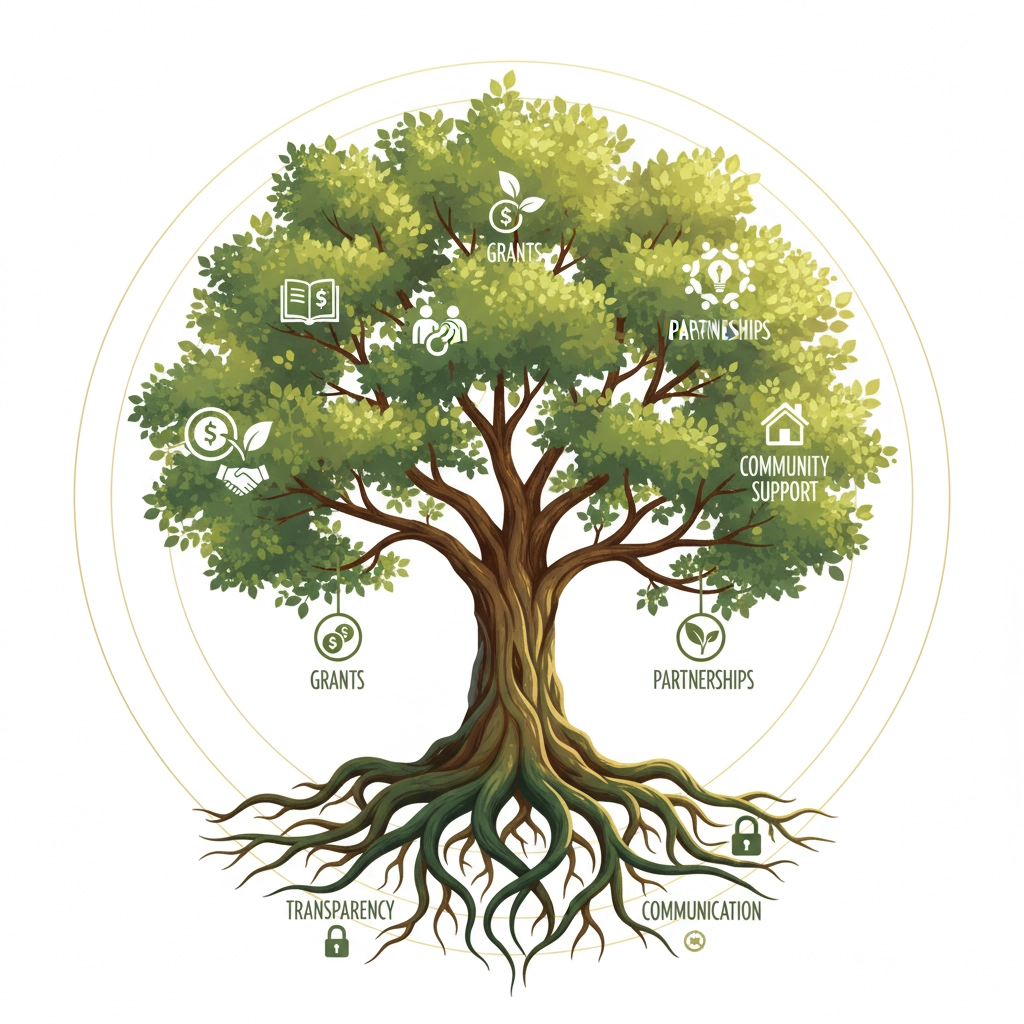
Think of grant writing not as a transaction, but as creating sacred space—a place where your mission and a funder’s values can meet, connect, and grow together.

The most successful mission-driven organizations understand a fundamental truth: development is not about extracting resources from donors: it’s about creating the conditions for authentic relationships to flourish. When you shift from extraction to cultivation, you stop chasing transactions and start building trust.

Most leadership playbooks still carry old habits: control the plan, predict the future, move fast, and grow at all costs. That mindset can shrink our field of vision and crowd out people, wisdom, and the living world.
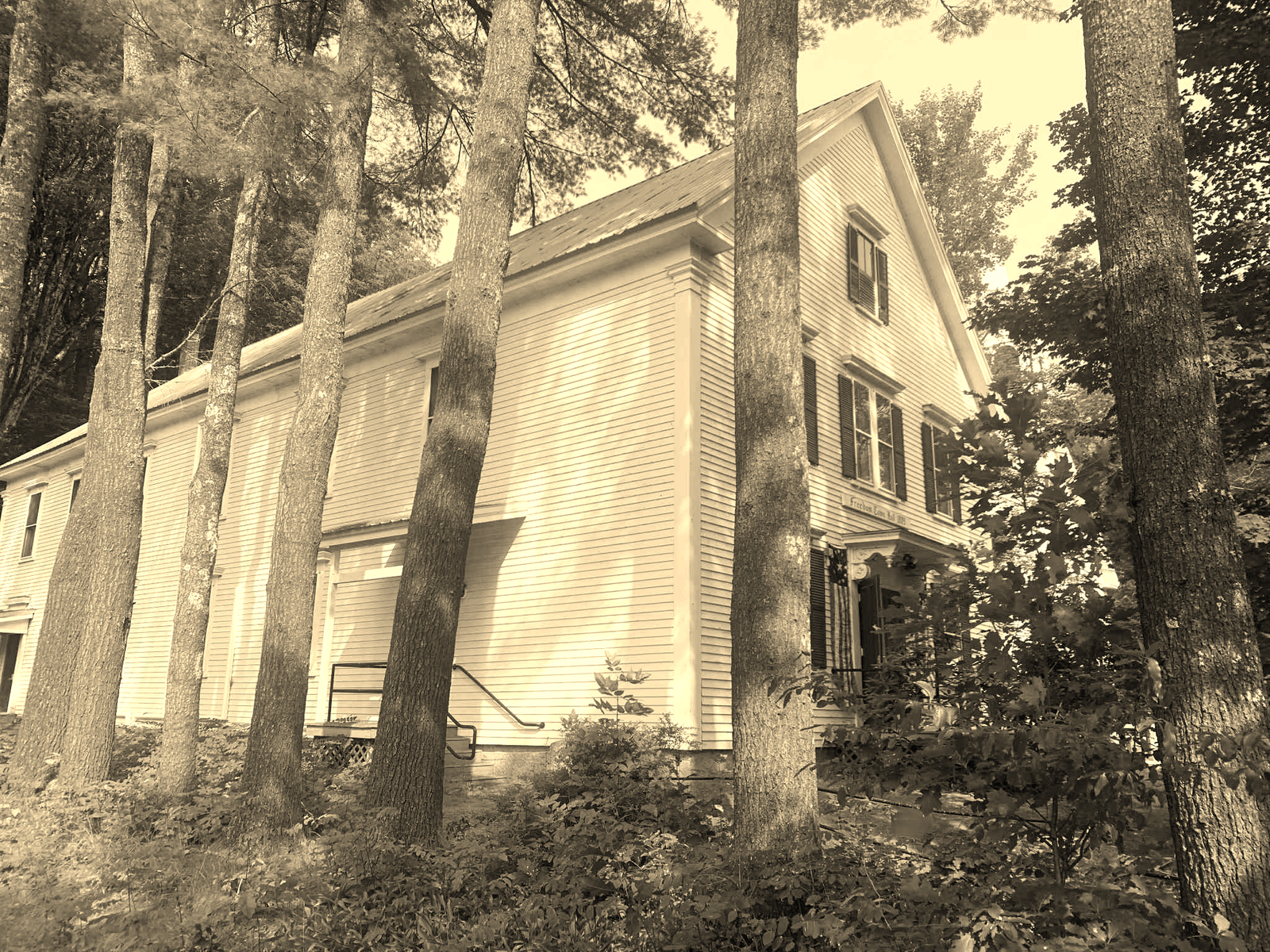
This past weekend, I had occasion to visit Freedom, NH for their Old Home Week Celebration—an experience that changed my perspective on what it means to be human.

For generations, the hero’s journey has shaped how we imagine change. Its arc—departure, ordeal, return—offers a compelling story of individual transformation.

A cosmic, philosophical poem exploring identity, existence, and the universe—where dreams, love, and sorrow intertwine across time, space, and the human soul.

There is a certain comfort in a playbook. Step one, step two, step three: a promise of order in a world that feels increasingly chaotic.

What if space isn’t just where things happen—but how? Unstorying reveals how past stories shape us, and how space itself becomes transformation.