
Watch
Read
It’s a sad world
when all we can do
is point fingers and blame,
criticize and shame
the things we know only
by name,
because without heart,
we cannot start
to heal,
recognize the real,
or share the pain
of a mother who lost a child or a boy who lost his way.
What can I say?
What can I do
for someone who is broken
and continues to break,
make choices
that hurt
themselves
and others
in a world full of pain,
loss,
and death,
each moment
a breath
of time
we can’t breathe back
or give as a gift
to uplift
the spirit
or soul
from
the gravity
and depth
of experiences
that flood
the heart
with tears
and fears
and hopes of what
might have been,
and the memories,
so dear,
clear,
so far,
the feelings
so near,
here
I am,
I say
on a Thursday
in a dark place,
unable
to see myself
in his face,
the joy erased,
the grief,
the sadness,
the words I write,
a respite,
a release
I take into the night,
a single instance
of a primordial plight,
man against man
against himself,
running out of time,
chasing space
and that thing
he sees beyond
the here
and now,
flashing
green,
then red,
and how
he reaches
for the neon stars
outside bars
when the day
is clearly gone,
yet he hangs on
and on
till dawn
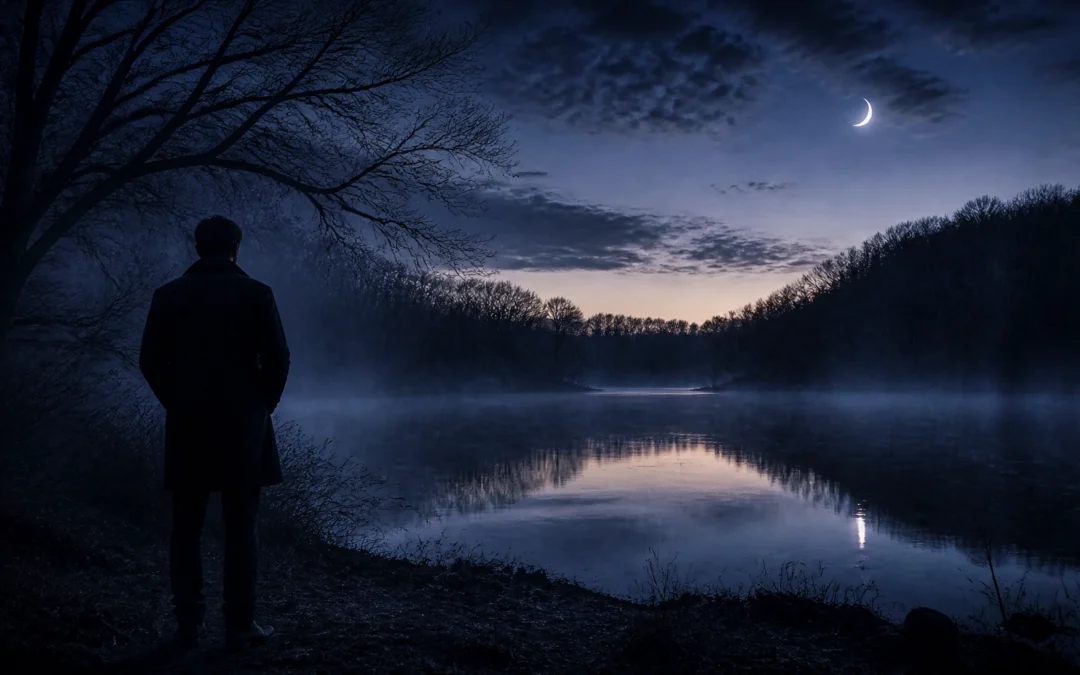
when crescent moons
appear
and fear
returns
as anger
and right and wrong,
each a refrain
in the same song,
sung by men
afraid to feel
so they invent
the real
and the true,
leaving no space
for me and you,
the boy who was,
the dad who is,
and the mom
with a grief
neither can understand,
because after all,
I am just a man
Explore Spaciology
What you bring into a space shapes what you notice. The relationships, habits, and expectations already there shape what people feel able to say and do. Spaciology helps you look at both and ask what could make change possible.