
Leadership
Dialogues
No Results Found
The page you requested could not be found. Try refining your search, or use the navigation above to locate the post.
Leadership

Beyond the Hero’s Journey (Part III)
To some extent, the hero’s journey reflects and perpetuates a colonizer mindset, leading to the subjugation of entire cultures.

Beyond the Hero’s Journey (Part II)
Technology, profit, productivity—these are hallmarks of what is often construed as progress within the Western worldview? Progress for whom?

Beyond the Hero’s Journey (Part I)
Floods, wildfires, drought, biodiversity loss, habitat destruction, pollution, mass riots, war—this is the world right now in active ecological crisis.

To ‘Lead’ Or Not To ‘Lead’ (Part III)
If we think in silos, we bring ourselves deeper inside single systems.
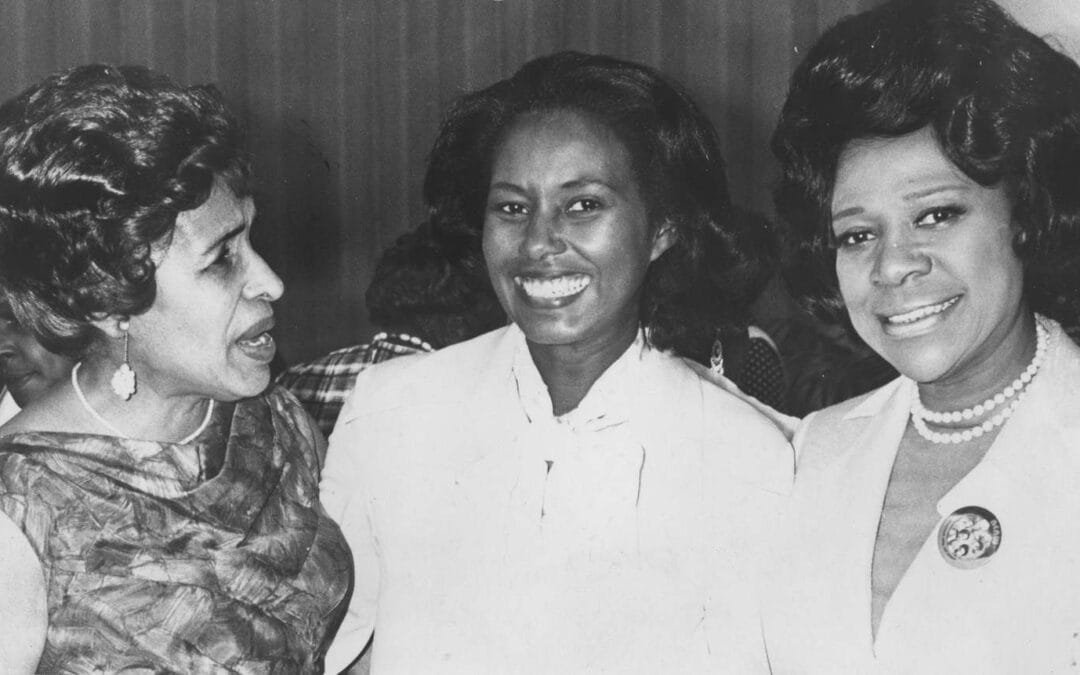
To ‘Lead’ Or Not To ‘Lead’ (Part II)
What does social purpose mean in the context of my life? How do I apply my belief in a social purpose? How I answer these questions may provide insight into the extent to which I have retained my systemic sensibility.

To ‘Lead’ Or Not To ‘Lead’ (Part I)
Is the past really past, and is the future somewhere ahead of us? The realization that past trauma, for instance, has a direct bearing on our mental health lends credence to the notion that yesterday is alive, a consideration that leads to a cybernetic complementarity that the future is equally real today. Can we hold two seemingly disparate ideas?

Fundraising Ethics
Effective fundraising and development must include careful consideration of the laws and regulations that govern such activities, which include interactions with donors, staff, and volunteers.

Development In Nonprofits
Effective development requires a substantial amount of input from different kinds of ‘players’ throughout an organization.

Fundraising and Development
Fundraising is more than asking—it’s the start of a relationship. Development builds trust, turning support into shared purpose and philanthropy into culture.

Self-Reflection in Marketing
Marketing is a business domain not only for promoting brands, products, and services but also as a platform for organizational self-reflection, engaging the entire staff in the process.

Best Practices in Organizations
Recently, I had a “conversation” with an individual about next steps related to further developing a nonprofit board. Excited about some of my recent research that touches on new ways to conceptualize the role of nonprofit board development, I indicated that perhaps we could consider new ideas.

Motivation
We have all heard it. “If I were you, I would…” Is such a statement meant to motivate, or is it instead a strategy by which we assert our position in life? Is it motivation at all?

Objectives
Interpretation, though, can be dangerous, in business. Isn't this why managers seek to control the variables in any equation? Without measurable objectives, our staff may end up achieving any number of goals, none of which, however, may be the 'right' one. Perhaps,...

Perspective
If we are to understand an organization, we must ask certain questions first, right?
What are your job descriptions? What is your employee retention rate? Do you offer benefits? Are you profitable? What is your mission?

Decisions
In an office, who makes the decisions? Is it the manager? Supervisor? General staff? Do these questions matter? Absolutely, because how this question is answered reveals much about how an individual views reality itself.
Strategy

Space as Metaphor: Beyond Output-Oriented Paradigms (Part I)
In various fields (counseling, education, business, and leadership, etc.), transformation and change are often framed as part of a metaphorical hero’s journey.

Successful Fundraising Strategies
Strategic fundraising begins with research—understanding donors’ interests, capacity, and connections to craft tailored approaches that turn insight into impact.
Fundraising Ethics
Effective fundraising and development must include careful consideration of the laws and regulations that govern such activities, which include interactions with donors, staff, and volunteers.
Development In Nonprofits
Effective development requires a substantial amount of input from different kinds of ‘players’ throughout an organization.
Fundraising and Development
Fundraising is more than asking—it’s the start of a relationship. Development builds trust, turning support into shared purpose and philanthropy into culture.
Self-Reflection in Marketing
Marketing is a business domain not only for promoting brands, products, and services but also as a platform for organizational self-reflection, engaging the entire staff in the process.
Best Practices in Organizations
Recently, I had a “conversation” with an individual about next steps related to further developing a nonprofit board. Excited about some of my recent research that touches on new ways to conceptualize the role of nonprofit board development, I indicated that perhaps we could consider new ideas.
Motivation
We have all heard it. “If I were you, I would…” Is such a statement meant to motivate, or is it instead a strategy by which we assert our position in life? Is it motivation at all?
Objectives
Interpretation, though, can be dangerous, in business. Isn't this why managers seek to control the variables in any equation? Without measurable objectives, our staff may end up achieving any number of goals, none of which, however, may be the 'right' one. Perhaps,...
Perspective
If we are to understand an organization, we must ask certain questions first, right?
What are your job descriptions? What is your employee retention rate? Do you offer benefits? Are you profitable? What is your mission?
Decisions
In an office, who makes the decisions? Is it the manager? Supervisor? General staff? Do these questions matter? Absolutely, because how this question is answered reveals much about how an individual views reality itself.
Transformation

Unstorying the Self
Discover the journey of unstorying the self, exploring how personal narratives shape our identity and the ethical responsibility we hold to others, nature, and the world.

Marketing’s Role in Shaping Self-Perception
Marketing is deeply intertwined with our worldview because it shapes and reflects how we perceive ourselves, others, and the world around us.
Beyond the Hero’s Journey (Part III)
To some extent, the hero’s journey reflects and perpetuates a colonizer mindset, leading to the subjugation of entire cultures.
Beyond the Hero’s Journey (Part II)
Technology, profit, productivity—these are hallmarks of what is often construed as progress within the Western worldview? Progress for whom?
Beyond the Hero’s Journey (Part I)
Floods, wildfires, drought, biodiversity loss, habitat destruction, pollution, mass riots, war—this is the world right now in active ecological crisis.

Space as Metaphor: Beyond Output-Oriented Paradigms (Part II)
Strategic plans are particularly excellent examples of a process with questionable results, especially if stakeholder collaboration is desired.
Space as Metaphor: Beyond Output-Oriented Paradigms (Part I)
In various fields (counseling, education, business, and leadership, etc.), transformation and change are often framed as part of a metaphorical hero’s journey.
To ‘Lead’ Or Not To ‘Lead’ (Part III)
If we think in silos, we bring ourselves deeper inside single systems.
To ‘Lead’ Or Not To ‘Lead’ (Part II)
What does social purpose mean in the context of my life? How do I apply my belief in a social purpose? How I answer these questions may provide insight into the extent to which I have retained my systemic sensibility.
To ‘Lead’ Or Not To ‘Lead’ (Part I)
Is the past really past, and is the future somewhere ahead of us? The realization that past trauma, for instance, has a direct bearing on our mental health lends credence to the notion that yesterday is alive, a consideration that leads to a cybernetic complementarity that the future is equally real today. Can we hold two seemingly disparate ideas?