
Watch
Read
Before AI
and WI-FI,
there were pay phones,
phone books
and prank calls,
late night poems
and tape players,
Encyclopedia Brittanicas,
trapper keepers
and soap operas.
TJ Hooker,
Spencer for Hire,
and Magnum PI.
I had no clue
who was the boss,
and I never understood
Chemistry.
Rap emerged,
and grunge felt like
a revolution
until it disappeared
at about the time
adulthood was to begin.
I’m still waiting for it
and the dial up connection
to the Internet
to be severed
so I can hide
on Sesame Street
and look for reading rainbows
aboard the Starship Enterprise
and eat Entenmann’s donuts,
watching MTV
and Soundgarden.
These are moments in time,
slow like syrup
on a waffle
made by your mom
on a Saturday morning
that never landed
on an Instagram feed
in 1989
when the prospect
of growing up
didn’t mean growing old,
and yet we age,
and we move on,
watching our children
navigate a world optimized
by secret agents
named Claude and Gemini
who drink too
much water
and live in
the cloud,
but not the kind I understand
or used to watch
through the window on a yellow school bus
on the way to track meets
where I felt like a winner,
briefly,
before the bus
would bring me
back to a brick building
with rules
and bells
that never saved me
from what was
and what came to be,
non-social media
and non-reality TV
and other things
that draw us away
from the experience
of asking
who am I
and what can I be,
and other inefficient questions
that yield open-ended answers
without outcomes
on Friday nights
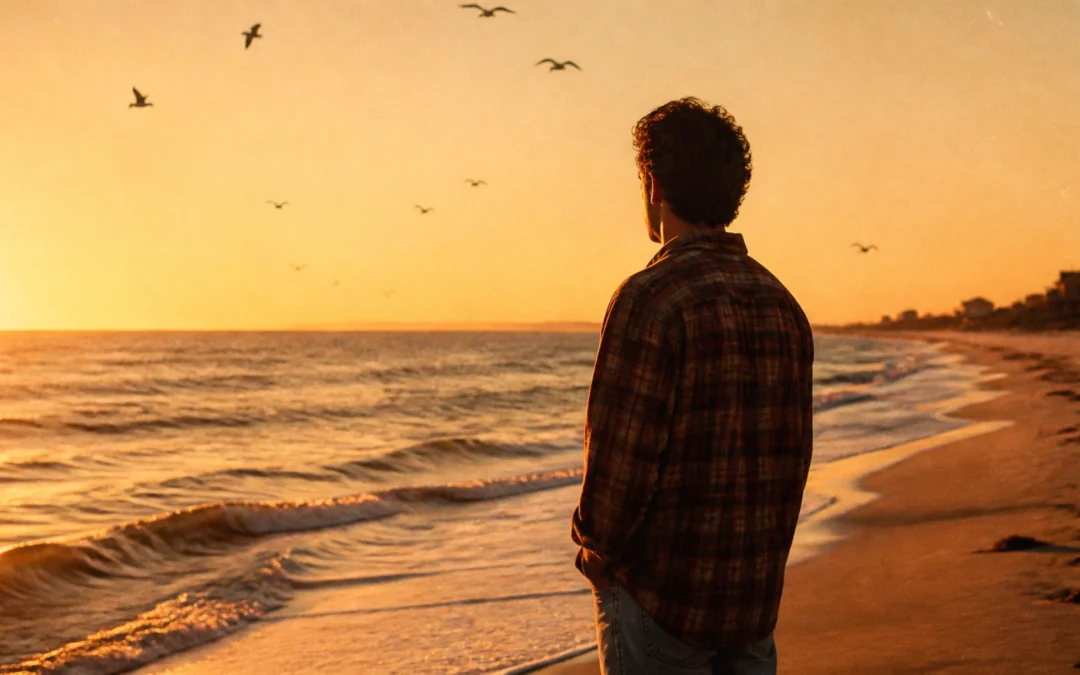
next to beaches
and stairways to heaven
in a place called 1993
on a long island
that stretches out to sea,
there exists a young man
who is looking for me.
Explore Spaciology
What you bring into a space shapes what you notice. The relationships, habits, and expectations already there shape what people feel able to say and do. Spaciology helps you look at both and ask what could make change possible.