
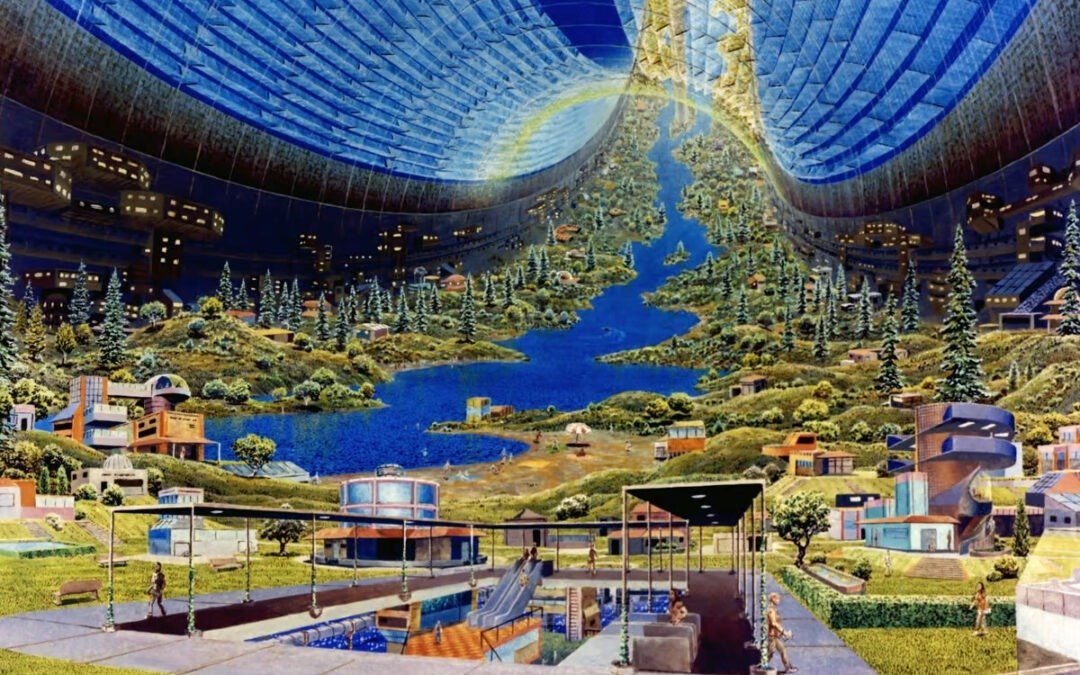
Marketing is deeply intertwined with our worldview because it shapes and reflects how we perceive ourselves, others, and the world around us.
Identity and Self-Perception
Marketing shapes how people see themselves by promoting lifestyles, behaviors, and choices that reflect desirable or attainable identities. Marketing can also be aspirational in its appeal to various consumers’ desires, equating success and happiness with acquiring certain products or experiences.
These desires to which marketers appeal mirror a culture’s values, beliefs, and social norms. Therefore, advertisements, branding, and messaging are designed to resonate with the target audience’s prevailing worldview.
For example, marketing campaigns in different countries often emphasize values like individualism in the U.S. or community in Japan. Brands also use symbols, language, and imagery, all of which hold significance within a specific culture, reinforcing or challenging existing worldviews.
Inclusivity and Representation
Effective marketing can broaden worldviews by representing diverse cultures, identities, and experiences. By understanding and addressing different groups’ unique needs and experiences, marketers have the unique opportunity to develop (and demonstrate) empathy, which is crucial in a world in active ecological crisis.
Can marketers help address the ecological crisis and the issues that face us as a planet? Yes, especially if marketers can embrace the notion that they are storytellers and that the stories they craft have the potential to not just foster brand-consumer connections but also bridge gaps between different perspectives and tap into shared human emotions and experiences.
Thoughts to Consider
Ultimately, marketing and our worldviews have a profound and reciprocal relationship. Marketing not only reflects the values and beliefs of our culture but also shapes our perceptions and identities. Stated simply, our worldview represents these values and beliefs.
As consumers, the next time we are presented with a marketing message while scrolling through Facebook or YouTube, for example, perhaps we can self-reflect and collectively ask ourselves what is actually being sold (and what we think we are buying).
For marketers, the opportunity lies in exploring how our messaging can genuinely promote (and champion) the diverse ways in which people think, feel, and express their needs and desires.
Explore Further
Explore the philosophy of Spaciology, or follow these ideas into practice through RPL and UYM.
UYM Charities
Explore Spaciology’s ministry, Field Guide, teachings, and EcoDialogues. Talks, workshops, and facilitated conversations are offered without a required fee, supported by donations.
RPL
Narrative strategy and dialogue help people and organizations understand change, clarify purpose, and guide action through planning, fundraising, communications, and website development.