
Beliefs & Values
Love

Re-Evaluating Our Worth As Human Beings
A reflection on worth beyond productivity—AI acceleration, privilege, and identity—ending with a simple question: what do we actually need?
Chasing Space, Finding Self
At the end of our lives, what will we think about? Will we remember those ‘important’ projects at work that diverted our attention from our children as they struggled to get our attention?
The Radical Limits of Prescriptive Approaches
There is a certain comfort in a playbook. Step one, step two, step three: a promise of order in a world that feels increasingly chaotic.
Unstorying the Narratives of Space
What if space isn’t just where things happen—but how? Unstorying reveals how past stories shape us, and how space itself becomes transformation.

Finding Beauty in Business
Can business be beautiful? This file explores how meaningful human connection, vulnerability, and purpose can redefine our understanding of business beyond transactions.

Why Care?
In a fractured world, why care? This file explores the existential and practical value of compassion, connection, and shared human experience.

Unstorying the Self
Discover the journey of unstorying the self, exploring how personal narratives shape our identity and the ethical responsibility we hold to others, nature, and the world.

Wading at the Edges
All my life, I have essentially waded at the edges of the proverbial pools of life–a condition that does not lend itself to transformation, an idea I recently gleaned from Braiding Sweetgrass (2013) by Robin Wall Kimmerer.

Stepping Outside The Shadows Of Myself
Those two boys to my left are my sons when they were much younger and I subscribed to a much different paradigm of life, so different in fact that what I am about to write would have been unthinkable when this photo was taken.

Running To Love
Yesterday, I was on a run near a river and actively pondering the experience of love when I had a profound realization about myself that I think is relevant for others. All my life, love has been an experience for me that has felt so utterly massive, so real, that I have run from it. I went out on my run yesterday with the intent to explore why this is the case, and I unexpectedly ran into an answer.

What is Love?
Exploring the complexities of love, this file questions if love is a feeling, an action, or something deeper.

Love(s)
This post explores the nature of love—its cultural roots, changing forms, and complexities.

The Truth
The truth. It is a fascinating concept and one that supports how many of us go through our everyday lives. There is some sort of ‘truth’ that supports our cultural values, approach to life, or how we build our business(es).

Selfies
There is something unnerving about our reliance on presenting ourselves to “the world” through the use of ‘selfies.’ It is as if our ability to capture an image of ourselves with the use of a phone’s camera indicates something about our inherent power.
The Money
Ever notice that many entrepreneurs in this age bracket often resort to citing their own financial wealth as proof that others should follow their inherent “power” and step into their own proverbial “greatness?”

The Hate
It is so easy to lay blame, point fingers, puff up our chests and essentially ‘hate’ what is around us. Society subtly encourages angry thinking in its creation of various competitive platforms whereby people are challenged not to look within, but destroy something outside themselves.

The Validation
There is something deeply disturbing about the validation required by many today. Did we eat the right food, say the right thing, buy the right product, look good doing it?

True Love
In this day and age where we seemingly must “crush” everything in sight in order to prove ourselves to a world that seemingly watches our every move, is there a place for love anymore?
Millennials
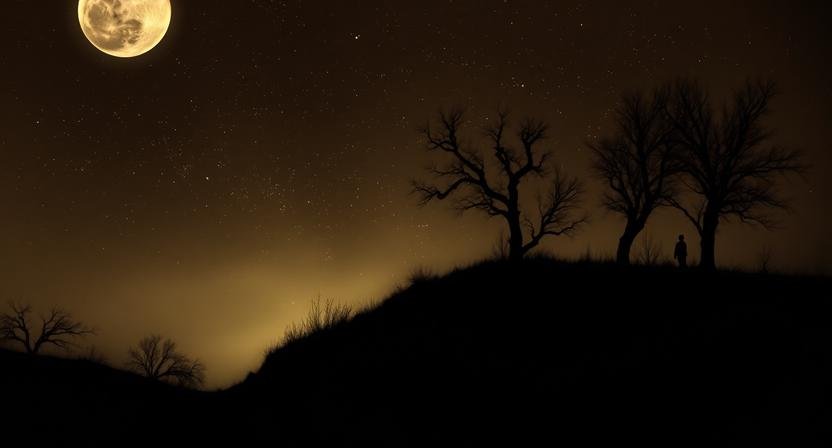
The Madness & Sadness of a Poetic Soul
A raw, introspective poem about identity, existential fear, and the search for authentic spaces of belonging amid life’s controlling forces.

A Dialogue with Ian Shea
Meet Ian Shea, founder of Black Cat Contracting, and learn from his approach to organizational consulting.

Learning from Melissa Segal
Discover insights from Melissa Segal, LCSW and founder of InterHuman Solutions, on mission-driven work, communication, and creating meaningful change.
What Frederick Douglass Understood About Freedom That We Keep Forgetting
Explore what Frederick Douglass understood about true freedom that modern society keeps forgetting—and why his insights matter more than ever today.
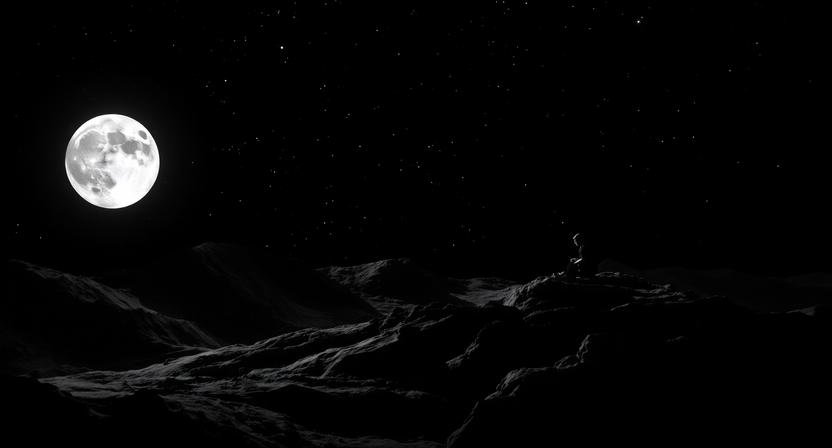
Together We Be
A journey through identity, imagination, and interconnectedness—exploring the dance between self and other in shared sacred spaces.

Like a Butterfly
A poem about love, letting go, and the beauty of freedom—watching someone you care about soar like a butterfly through life’s journey.
Re-Evaluating Our Worth As Human Beings
A reflection on worth beyond productivity—AI acceleration, privilege, and identity—ending with a simple question: what do we actually need?

Accountability Over Accuracy — Spaciology Chronicles
A boardroom interruption shifts the room. David chooses repair over being right—and learns how accountability can widen trust.

Space As Home (Part 3): From Heroics To Habitat
The hero’s journey is a beautiful story. It is also a dangerous default. In its modern form, the hero narrative trains us to believe that transformation is a personal achievement accomplished through willpower, certainty, and conquest.

Space as Home (Part 2): Shared Space and the Ethics of Attention
If internal space is the room you live in alone, shared space is the room you co-create with others.

Space as Home (Part 1): Living Inside a Belief System
Beliefs are not only opinions floating in the mind. They are the invisible architecture that shapes what we notice, what we dismiss, what we fear, what we desire, and what we think is possible.

Who Wants To Live Forever?
A contemplative poem exploring mortality, love, and cosmic connection—from witnessing the universe’s end to finding grace in life’s final moments.

Learning from Laura O’Rourke: Grant Readiness and the Art of Sustainable Funding
This is the second in my dialogue series where I sit down with fellow professionals to explore their expertise and learn from their unique perspectives. Today’s conversation is with Laura O’Rourke of Laura O’Rourke Consulting, a fellow member of the Independent Philanthropy Advisor Referral Group (IPAR).

Learning from Seth Klukoff: Strategic Communications That Actually Work
Today’s conversation is with Seth Klukoff of Eoan Strategies, a fellow member of the Independent Philanthropy Advisor Referral Group (IPAR).

Into The Mystic
Voyaging through time and change, “Into the Mystic” captures the wonder, questions, and courage found on our lifelong journey beneath the spinning stars.

The Philosophy of Enough
Discover why mission-driven organizations achieve deeper impact by embracing ‘enough’ rather than chasing endless growth that dilutes mission focus.
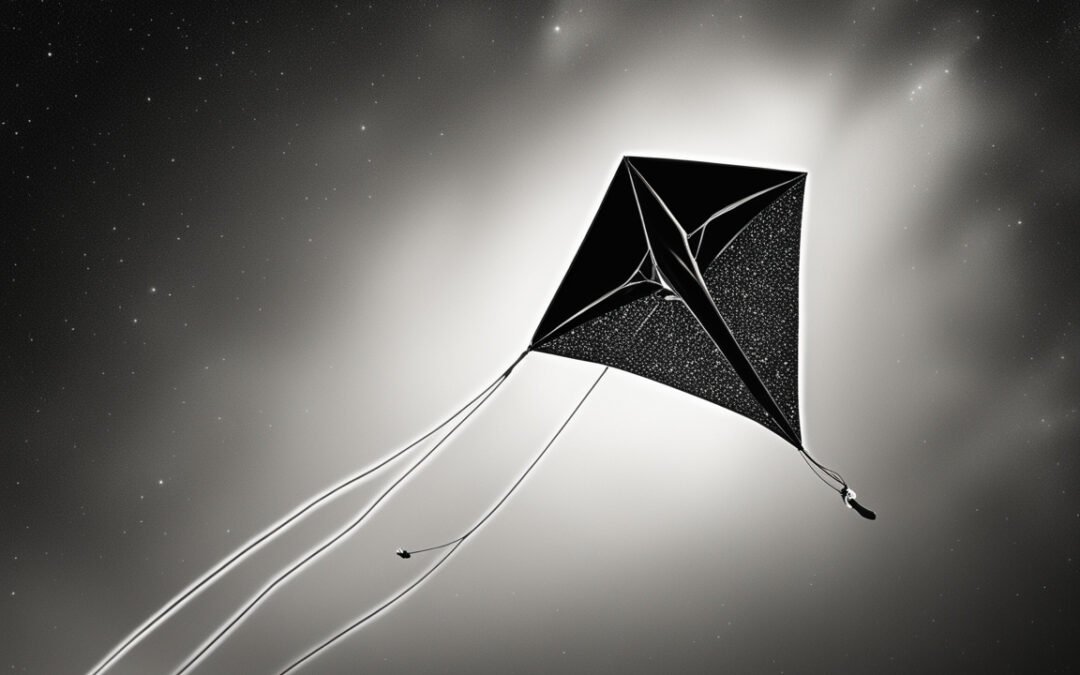
The Universe, Kites, and Sadness
This poem reflects on longing, letting go, childhood joy, and searching for meaning—reminding us we are kites, tethered by the universe and human experience.

Why Slowing Down Accelerates Mission Impact
Slowing down gives organizations space to reflect, align with their mission, and focus resources for real impact.

Spaceship Earth
A poetic reflection on life, identity, and the mysteries of existence aboard “Spaceship Earth.” Exploring gravity, feeling, dreaming, and cosmic wonder.

Dust in the Wind
A meditation on reality, perception, and mortality – exploring how thoughts deceive us while we spin through existence until becoming dust in the wind.

The Deeper Story in Mission-Driven Work
Marketing for mission-driven organizations operates in spaces far removed from traditional promotional strategies.

Expanding Connections: Independent Philanthropy Advisor Referral Group (IPAR)
The most successful mission-driven organizations understand a fundamental truth: you don’t have to go it alone.
One-Hit Wonders
A poem that explores what it means to be a “one hit wonder”—inviting readers to reflect on individuality, impermanence, and the shared beauty of fleeting moments.

The Generous Mindset: Making Room Before the Ask
Fundraising isn’t just about the ask—it’s about the space you create for generosity to emerge. When you lead with presence, not pressure, you open the door to authentic giving.
Chasing Space, Finding Self
At the end of our lives, what will we think about? Will we remember those ‘important’ projects at work that diverted our attention from our children as they struggled to get our attention?

Integrated Marketing: Seeing the Big Picture
Marketing often feels like staring at individual stars in the night sky: each campaign, each channel, each tactic burning bright on its own.
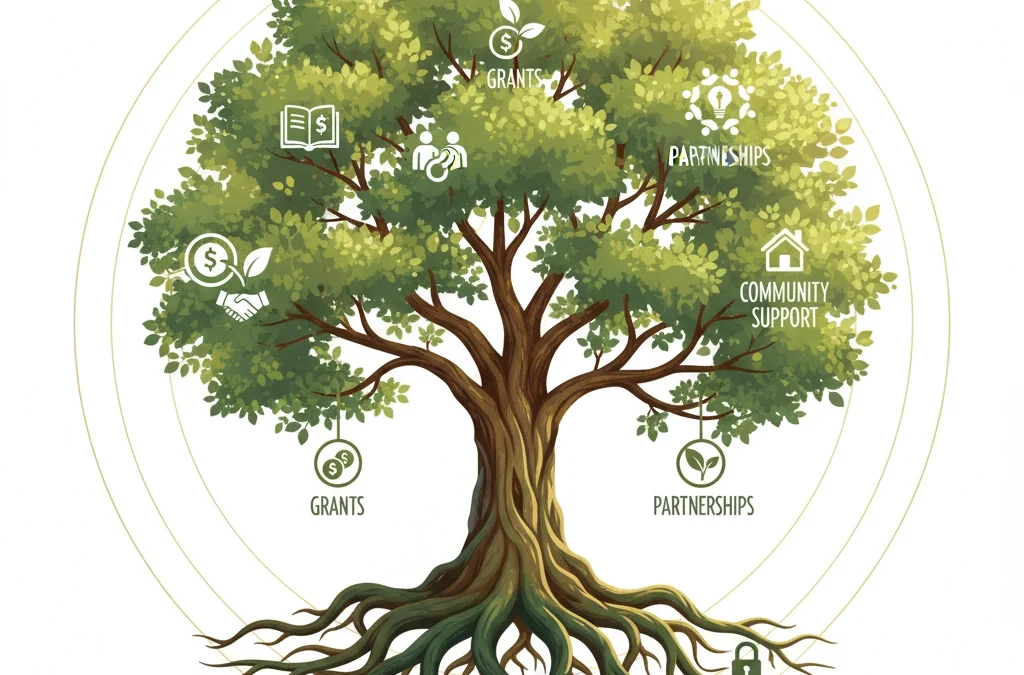
Grant Writing as Sacred Space
Think of grant writing not as a transaction, but as creating sacred space—a place where your mission and a funder’s values can meet, connect, and grow together.

Building Trust in Mission-Driven Spaces
The most successful mission-driven organizations understand a fundamental truth: development is not about extracting resources from donors: it’s about creating the conditions for authentic relationships to flourish. When you shift from extraction to cultivation, you stop chasing transactions and start building trust.
A Space-Based Approach to Leadership
Most leadership playbooks still carry old habits: control the plan, predict the future, move fast, and grow at all costs. That mindset can shrink our field of vision and crowd out people, wisdom, and the living world.

The Meaning of Freedom
This past weekend, I had occasion to visit Freedom, NH for their Old Home Week Celebration—an experience that changed my perspective on what it means to be human.

Rethinking Transformation: More Than a Hero’s Tale
For generations, the hero’s journey has shaped how we imagine change. Its arc—departure, ordeal, return—offers a compelling story of individual transformation.

The Sun Will Never Set
A cosmic, philosophical poem exploring identity, existence, and the universe—where dreams, love, and sorrow intertwine across time, space, and the human soul.
The Radical Limits of Prescriptive Approaches
There is a certain comfort in a playbook. Step one, step two, step three: a promise of order in a world that feels increasingly chaotic.
Unstorying the Narratives of Space
What if space isn’t just where things happen—but how? Unstorying reveals how past stories shape us, and how space itself becomes transformation.

Space as Praxis: Making Room for What Matters
Explore how internal, external, and shared space can foster clarity, connection, and transformation—space as a radical act of presence and care.
Power
What Frederick Douglass Understood About Freedom That We Keep Forgetting
Explore what Frederick Douglass understood about true freedom that modern society keeps forgetting—and why his insights matter more than ever today.
Chasing Space, Finding Self
At the end of our lives, what will we think about? Will we remember those ‘important’ projects at work that diverted our attention from our children as they struggled to get our attention?
The Meaning of Freedom
This past weekend, I had occasion to visit Freedom, NH for their Old Home Week Celebration—an experience that changed my perspective on what it means to be human.
Rethinking Transformation: More Than a Hero’s Tale
For generations, the hero’s journey has shaped how we imagine change. Its arc—departure, ordeal, return—offers a compelling story of individual transformation.
The Radical Limits of Prescriptive Approaches
There is a certain comfort in a playbook. Step one, step two, step three: a promise of order in a world that feels increasingly chaotic.
Unstorying the Narratives of Space
What if space isn’t just where things happen—but how? Unstorying reveals how past stories shape us, and how space itself becomes transformation.
Space as Praxis: Making Room for What Matters
Explore how internal, external, and shared space can foster clarity, connection, and transformation—space as a radical act of presence and care.

Stepping Off the Train: Beyond Right and Wrong
In these divisive times, it feels somewhat comfortable to gravitate toward an existing train of thought. This train goes left, and this one right.
Unstorying the Self
Discover the journey of unstorying the self, exploring how personal narratives shape our identity and the ethical responsibility we hold to others, nature, and the world.
Marketing’s Role in Shaping Self-Perception
Marketing is deeply intertwined with our worldview because it shapes and reflects how we perceive ourselves, others, and the world around us.

Beyond the Hero’s Journey (Part III)
To some extent, the hero’s journey reflects and perpetuates a colonizer mindset, leading to the subjugation of entire cultures.

Beyond the Hero’s Journey (Part II)
Technology, profit, productivity—these are hallmarks of what is often construed as progress within the Western worldview? Progress for whom?

Beyond the Hero’s Journey (Part I)
Floods, wildfires, drought, biodiversity loss, habitat destruction, pollution, mass riots, war—this is the world right now in active ecological crisis.

Space as Metaphor: Beyond Output-Oriented Paradigms (Part II)
Strategic plans are particularly excellent examples of a process with questionable results, especially if stakeholder collaboration is desired.

Space as Metaphor: Beyond Output-Oriented Paradigms (Part I)
In various fields (counseling, education, business, and leadership, etc.), transformation and change are often framed as part of a metaphorical hero’s journey.
To ‘Lead’ Or Not To ‘Lead’ (Part III)
If we think in silos, we bring ourselves deeper inside single systems.
To ‘Lead’ Or Not To ‘Lead’ (Part II)
What does social purpose mean in the context of my life? How do I apply my belief in a social purpose? How I answer these questions may provide insight into the extent to which I have retained my systemic sensibility.
To ‘Lead’ Or Not To ‘Lead’ (Part I)
Is the past really past, and is the future somewhere ahead of us? The realization that past trauma, for instance, has a direct bearing on our mental health lends credence to the notion that yesterday is alive, a consideration that leads to a cybernetic complementarity that the future is equally real today. Can we hold two seemingly disparate ideas?
Wading at the Edges
All my life, I have essentially waded at the edges of the proverbial pools of life–a condition that does not lend itself to transformation, an idea I recently gleaned from Braiding Sweetgrass (2013) by Robin Wall Kimmerer.
Stepping Outside The Shadows Of Myself
Those two boys to my left are my sons when they were much younger and I subscribed to a much different paradigm of life, so different in fact that what I am about to write would have been unthinkable when this photo was taken.
Running To Love
Yesterday, I was on a run near a river and actively pondering the experience of love when I had a profound realization about myself that I think is relevant for others. All my life, love has been an experience for me that has felt so utterly massive, so real, that I have run from it. I went out on my run yesterday with the intent to explore why this is the case, and I unexpectedly ran into an answer.

Motivation
We have all heard it. “If I were you, I would…” Is such a statement meant to motivate, or is it instead a strategy by which we assert our position in life? Is it motivation at all?

Objectives
Interpretation, though, can be dangerous, in business. Isn't this why managers seek to control the variables in any equation? Without measurable objectives, our staff may end up achieving any number...
Love(s)
This post explores the nature of love—its cultural roots, changing forms, and complexities.

Perspective
If we are to understand an organization, we must ask certain questions first, right?
What are your job descriptions? What is your employee retention rate? Do you offer benefits? Are you profitable? What is your mission?
Decisions
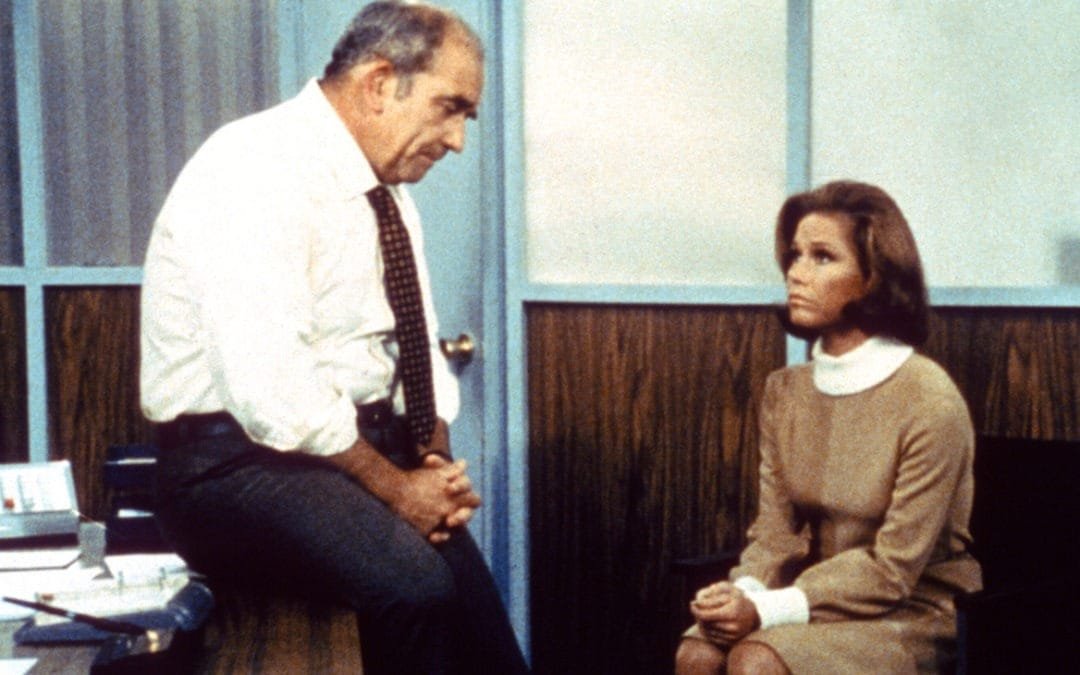
In an office, who makes the decisions? Is it the manager? Supervisor? General staff? Do these questions matter? Absolutely, because how this question is answered reveals much about how an individual views reality itself.
The Truth
The truth. It is a fascinating concept and one that supports how many of us go through our everyday lives. There is some sort of ‘truth’ that supports our cultural values, approach to life, or how we build our business(es).
Selfies
There is something unnerving about our reliance on presenting ourselves to “the world” through the use of ‘selfies.’ It is as if our ability to capture an image of ourselves with the use of a phone’s camera indicates something about our inherent power.

The Loneliness
It has been reported that the feeling of loneliness may be correlated with the use of social media, and, even at face value, there seems to be merit in these reports.
The Money
Ever notice that many entrepreneurs in this age bracket often resort to citing their own financial wealth as proof that others should follow their inherent “power” and step into their own proverbial “greatness?”
The Hate
It is so easy to lay blame, point fingers, puff up our chests and essentially ‘hate’ what is around us. Society subtly encourages angry thinking in its creation of various competitive platforms whereby people are challenged not to look within, but destroy something outside themselves.
The Validation
There is something deeply disturbing about the validation required by many today. Did we eat the right food, say the right thing, buy the right product, look good doing it?

Jumping Ship
There is something to be said about jumping off of the proverbial ‘Millennial Falcon,’ this notion that people in their 20s and 30s do not just understand social media better (and they do), they understand more about life.

Looking Back
We have all done it from time to time, right? We have been guilty of looking back. In this age, however, is there time to look back?

The Answers
We have all seen it, right? The look on a millennial’s face when he or she discovers THE answer on their phone.
Re-Evaluating Our Worth As Human Beings
A reflection on worth beyond productivity—AI acceleration, privilege, and identity—ending with a simple question: what do we actually need?
Chasing Space, Finding Self
At the end of our lives, what will we think about? Will we remember those ‘important’ projects at work that diverted our attention from our children as they struggled to get our attention?
A Space-Based Approach to Leadership
Most leadership playbooks still carry old habits: control the plan, predict the future, move fast, and grow at all costs. That mindset can shrink our field of vision and crowd out people, wisdom, and the living world.
The Meaning of Freedom
This past weekend, I had occasion to visit Freedom, NH for their Old Home Week Celebration—an experience that changed my perspective on what it means to be human.
The Radical Limits of Prescriptive Approaches
There is a certain comfort in a playbook. Step one, step two, step three: a promise of order in a world that feels increasingly chaotic.
Unstorying the Narratives of Space
What if space isn’t just where things happen—but how? Unstorying reveals how past stories shape us, and how space itself becomes transformation.
Marketing’s Role in Shaping Self-Perception
Marketing is deeply intertwined with our worldview because it shapes and reflects how we perceive ourselves, others, and the world around us.
Selfies
There is something unnerving about our reliance on presenting ourselves to “the world” through the use of ‘selfies.’ It is as if our ability to capture an image of ourselves with the use of a phone’s camera indicates something about our inherent power.
The Loneliness
It has been reported that the feeling of loneliness may be correlated with the use of social media, and, even at face value, there seems to be merit in these reports.
The Money
Ever notice that many entrepreneurs in this age bracket often resort to citing their own financial wealth as proof that others should follow their inherent “power” and step into their own proverbial “greatness?”
The Validation
There is something deeply disturbing about the validation required by many today. Did we eat the right food, say the right thing, buy the right product, look good doing it?
Jumping Ship
There is something to be said about jumping off of the proverbial ‘Millennial Falcon,’ this notion that people in their 20s and 30s do not just understand social media better (and they do), they understand more about life.
The Answers
We have all seen it, right? The look on a millennial’s face when he or she discovers THE answer on their phone.
True Love
In this day and age where we seemingly must “crush” everything in sight in order to prove ourselves to a world that seemingly watches our every move, is there a place for love anymore?
The Isolation
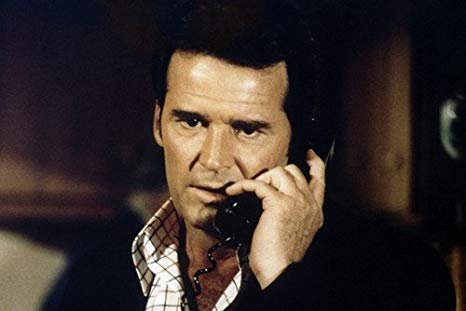
For those of us who sometimes feel isolated and alone, social media can tend to make us feel worse about ourselves. We are not part of the scene that is social media. We don’t have as many “likes,” “shares,” or “follows.”
Time
Re-Evaluating Our Worth As Human Beings
A reflection on worth beyond productivity—AI acceleration, privilege, and identity—ending with a simple question: what do we actually need?
The Meaning of Freedom
This past weekend, I had occasion to visit Freedom, NH for their Old Home Week Celebration—an experience that changed my perspective on what it means to be human.
The Radical Limits of Prescriptive Approaches
There is a certain comfort in a playbook. Step one, step two, step three: a promise of order in a world that feels increasingly chaotic.
Unstorying the Narratives of Space
What if space isn’t just where things happen—but how? Unstorying reveals how past stories shape us, and how space itself becomes transformation.
Unstorying the Self
Discover the journey of unstorying the self, exploring how personal narratives shape our identity and the ethical responsibility we hold to others, nature, and the world.
Beyond the Hero’s Journey (Part III)
To some extent, the hero’s journey reflects and perpetuates a colonizer mindset, leading to the subjugation of entire cultures.
Beyond the Hero’s Journey (Part II)
Technology, profit, productivity—these are hallmarks of what is often construed as progress within the Western worldview? Progress for whom?
Beyond the Hero’s Journey (Part I)
Floods, wildfires, drought, biodiversity loss, habitat destruction, pollution, mass riots, war—this is the world right now in active ecological crisis.
Space as Metaphor: Beyond Output-Oriented Paradigms (Part II)
Strategic plans are particularly excellent examples of a process with questionable results, especially if stakeholder collaboration is desired.
Space as Metaphor: Beyond Output-Oriented Paradigms (Part I)
In various fields (counseling, education, business, and leadership, etc.), transformation and change are often framed as part of a metaphorical hero’s journey.
Wading at the Edges
All my life, I have essentially waded at the edges of the proverbial pools of life–a condition that does not lend itself to transformation, an idea I recently gleaned from Braiding Sweetgrass (2013) by Robin Wall Kimmerer.
Stepping Outside The Shadows Of Myself
Those two boys to my left are my sons when they were much younger and I subscribed to a much different paradigm of life, so different in fact that what I am about to write would have been unthinkable when this photo was taken.
Running To Love
Yesterday, I was on a run near a river and actively pondering the experience of love when I had a profound realization about myself that I think is relevant for others. All my life, love has been an experience for me that has felt so utterly massive, so real, that I have run from it. I went out on my run yesterday with the intent to explore why this is the case, and I unexpectedly ran into an answer.
The Truth
The truth. It is a fascinating concept and one that supports how many of us go through our everyday lives. There is some sort of ‘truth’ that supports our cultural values, approach to life, or how we build our business(es).

The Speed
Remember being a kid and thinking about adulthood? It seemed like a theory that would never be proven. Childhood lasted forever — every moment, experience, bowl of Quaker oatmeal seemed to require an eternity to complete.
Looking Back
We have all done it from time to time, right? We have been guilty of looking back. In this age, however, is there time to look back?
The Answers
We have all seen it, right? The look on a millennial’s face when he or she discovers THE answer on their phone.
Transformation
What Frederick Douglass Understood About Freedom That We Keep Forgetting
Explore what Frederick Douglass understood about true freedom that modern society keeps forgetting—and why his insights matter more than ever today.
Accountability Over Accuracy — Spaciology Chronicles
A boardroom interruption shifts the room. David chooses repair over being right—and learns how accountability can widen trust.
Chasing Space, Finding Self
At the end of our lives, what will we think about? Will we remember those ‘important’ projects at work that diverted our attention from our children as they struggled to get our attention?
A Space-Based Approach to Leadership
Most leadership playbooks still carry old habits: control the plan, predict the future, move fast, and grow at all costs. That mindset can shrink our field of vision and crowd out people, wisdom, and the living world.
The Meaning of Freedom
This past weekend, I had occasion to visit Freedom, NH for their Old Home Week Celebration—an experience that changed my perspective on what it means to be human.
Rethinking Transformation: More Than a Hero’s Tale
For generations, the hero’s journey has shaped how we imagine change. Its arc—departure, ordeal, return—offers a compelling story of individual transformation.
The Radical Limits of Prescriptive Approaches
There is a certain comfort in a playbook. Step one, step two, step three: a promise of order in a world that feels increasingly chaotic.
Unstorying the Narratives of Space
What if space isn’t just where things happen—but how? Unstorying reveals how past stories shape us, and how space itself becomes transformation.
Space as Praxis: Making Room for What Matters
Explore how internal, external, and shared space can foster clarity, connection, and transformation—space as a radical act of presence and care.

Better Governance For Nonprofits
Explore how transformative leadership redefines nonprofit governance, fostering collaboration, innovation, and systemic change for greater impact.
Unstorying the Self
Discover the journey of unstorying the self, exploring how personal narratives shape our identity and the ethical responsibility we hold to others, nature, and the world.
Marketing’s Role in Shaping Self-Perception
Marketing is deeply intertwined with our worldview because it shapes and reflects how we perceive ourselves, others, and the world around us.
Beyond the Hero’s Journey (Part III)
To some extent, the hero’s journey reflects and perpetuates a colonizer mindset, leading to the subjugation of entire cultures.
Beyond the Hero’s Journey (Part II)
Technology, profit, productivity—these are hallmarks of what is often construed as progress within the Western worldview? Progress for whom?
Beyond the Hero’s Journey (Part I)
Floods, wildfires, drought, biodiversity loss, habitat destruction, pollution, mass riots, war—this is the world right now in active ecological crisis.
Space as Metaphor: Beyond Output-Oriented Paradigms (Part II)
Strategic plans are particularly excellent examples of a process with questionable results, especially if stakeholder collaboration is desired.
Space as Metaphor: Beyond Output-Oriented Paradigms (Part I)
In various fields (counseling, education, business, and leadership, etc.), transformation and change are often framed as part of a metaphorical hero’s journey.
To ‘Lead’ Or Not To ‘Lead’ (Part III)
If we think in silos, we bring ourselves deeper inside single systems.
To ‘Lead’ Or Not To ‘Lead’ (Part II)
What does social purpose mean in the context of my life? How do I apply my belief in a social purpose? How I answer these questions may provide insight into the extent to which I have retained my systemic sensibility.
To ‘Lead’ Or Not To ‘Lead’ (Part I)
Is the past really past, and is the future somewhere ahead of us? The realization that past trauma, for instance, has a direct bearing on our mental health lends credence to the notion that yesterday is alive, a consideration that leads to a cybernetic complementarity that the future is equally real today. Can we hold two seemingly disparate ideas?
Wading at the Edges
All my life, I have essentially waded at the edges of the proverbial pools of life–a condition that does not lend itself to transformation, an idea I recently gleaned from Braiding Sweetgrass (2013) by Robin Wall Kimmerer.

Best Practices in Organizations
Recently, I had a “conversation” with an individual about next steps related to further developing a nonprofit board. Excited about some of my recent research that touches on new ways to conceptualize the role of nonprofit board development, I indicated that perhaps we could consider new ideas.
Running To Love
Yesterday, I was on a run near a river and actively pondering the experience of love when I had a profound realization about myself that I think is relevant for others. All my life, love has been an experience for me that has felt so utterly massive, so real, that I have run from it. I went out on my run yesterday with the intent to explore why this is the case, and I unexpectedly ran into an answer.
Love(s)
This post explores the nature of love—its cultural roots, changing forms, and complexities.
The Truth
The truth. It is a fascinating concept and one that supports how many of us go through our everyday lives. There is some sort of ‘truth’ that supports our cultural values, approach to life, or how we build our business(es).
Selfies
There is something unnerving about our reliance on presenting ourselves to “the world” through the use of ‘selfies.’ It is as if our ability to capture an image of ourselves with the use of a phone’s camera indicates something about our inherent power.
The Money
Ever notice that many entrepreneurs in this age bracket often resort to citing their own financial wealth as proof that others should follow their inherent “power” and step into their own proverbial “greatness?”
The Speed
Remember being a kid and thinking about adulthood? It seemed like a theory that would never be proven. Childhood lasted forever — every moment, experience, bowl of Quaker oatmeal seemed to require an eternity to complete.
The Validation
There is something deeply disturbing about the validation required by many today. Did we eat the right food, say the right thing, buy the right product, look good doing it?
Looking Back
We have all done it from time to time, right? We have been guilty of looking back. In this age, however, is there time to look back?
The Answers
We have all seen it, right? The look on a millennial’s face when he or she discovers THE answer on their phone.
True Love
In this day and age where we seemingly must “crush” everything in sight in order to prove ourselves to a world that seemingly watches our every move, is there a place for love anymore?
Social Media